The short answer: Bora Bora has one public beach on the main island, Matira Beach, on the island's southern tip. The other famous white-sand beaches are on the motu (the islets on the reef), and they belong to resorts or private owners, so you reach them as a hotel guest or on a lagoon tour with a motu picnic.
- Best public beach: Matira, about 7 km south of Vaitape: free, shallow and great at sunset.
- Pink sand? Not on Bora Bora. French Polynesia's pink-sand beaches are in the Tuamotu atolls.
- Swimming pigs? No. "Pig Beach" is in the Bahamas.
Matira Beach: the island's public beach
Matira is the beach everyone means when they talk about "the beach in Bora Bora". Tahiti Tourisme describes it as about two kilometres of white sand curving around Matira Point, the southern tip of the main island, and Air Tahiti Nui and Tahiti Tourisme both call it the island's only public beach. Most of Bora Bora's other shoreline is rocky, lined with homes, or part of a hotel.
The water is the big draw. The lagoon stays shallow and calm a long way out, so you can wade far from shore, which makes Matira one of the easiest places on the island for children and weaker swimmers. The sand is soft, there is shade under the trees at the back of the beach, and next to it is a small park with a picnic area.
Matira is also the island's favourite sunset spot. Arrive 30 to 60 minutes before sunset to find a place on the sand. The beach is also the finish line of the Hawaiki Nui Va'a, French Polynesia's great outrigger canoe race between the Leeward Islands, so if you visit during the race the point fills with paddlers and spectators.
Getting there
- From Vaitape (where the cruise tenders and the airport shuttle boat arrive), Matira is about 7 km south along the coast road, roughly 15 to 20 minutes by car.
- Taxis are not metered, so agree the fare before you get in. Fares go up in the evening.
- Bikes and scooters can usually be rented in Vaitape. The coast road to Matira is flat, and the whole island loop is about 31 km.
- Le Truck, the open-sided island bus, has run only irregularly in recent years. Don't plan your day around it.
- Parking is free along the road, but it fills up in high season.
Facilities and food
Facilities are minimal. Sources disagree about toilets and showers, so don't count on either, and there is no official lounger or umbrella rental. Bring water, sun protection and a towel. For food, Snack Matira serves lunch beside the sand (it is open daytime only), and the roulottes (food trucks) and small restaurants along the road are the budget option. Fare Manuia and Tama'a Maitai at the Maitai Polynesia are close by for a sit-down meal.
Staying near Matira
The InterContinental Le Moana sits on Matira Point itself. The Maitai Polynesia is about a ten-minute walk away, and the family-run Village Temanuata is on the edge of the point. These are among the most affordable ways to have a real beach on your doorstep. The Sofitel Marara Beach, also near Matira, has closed. Our resort status page tracks which hotels are open.
Snorkeling at Matira
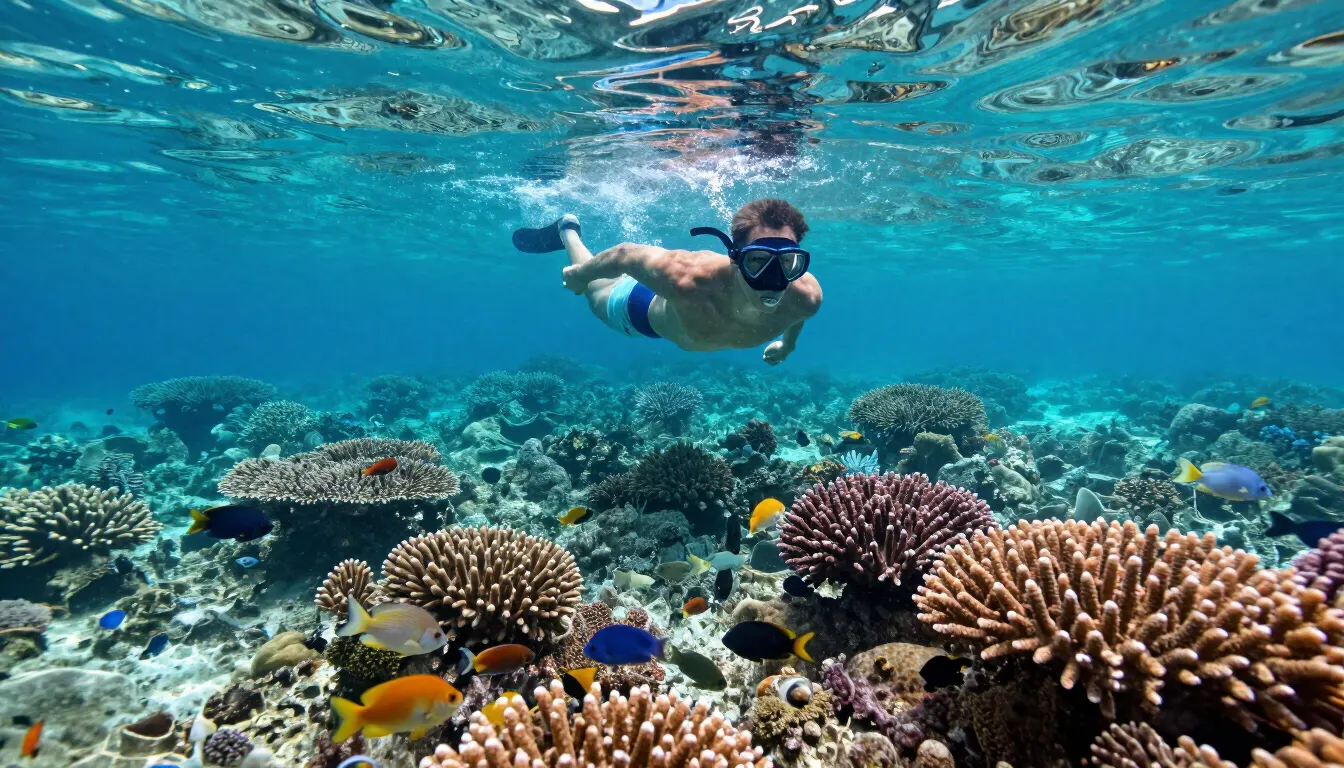
Expect sand rather than coral right in front of the main beach. The better snorkeling is at the ends of the beach and around the point, where rocks and coral patches attract butterflyfish, parrotfish and surgeonfish. For coral gardens, rays and reef sharks, book a lagoon tour.

The motu beaches
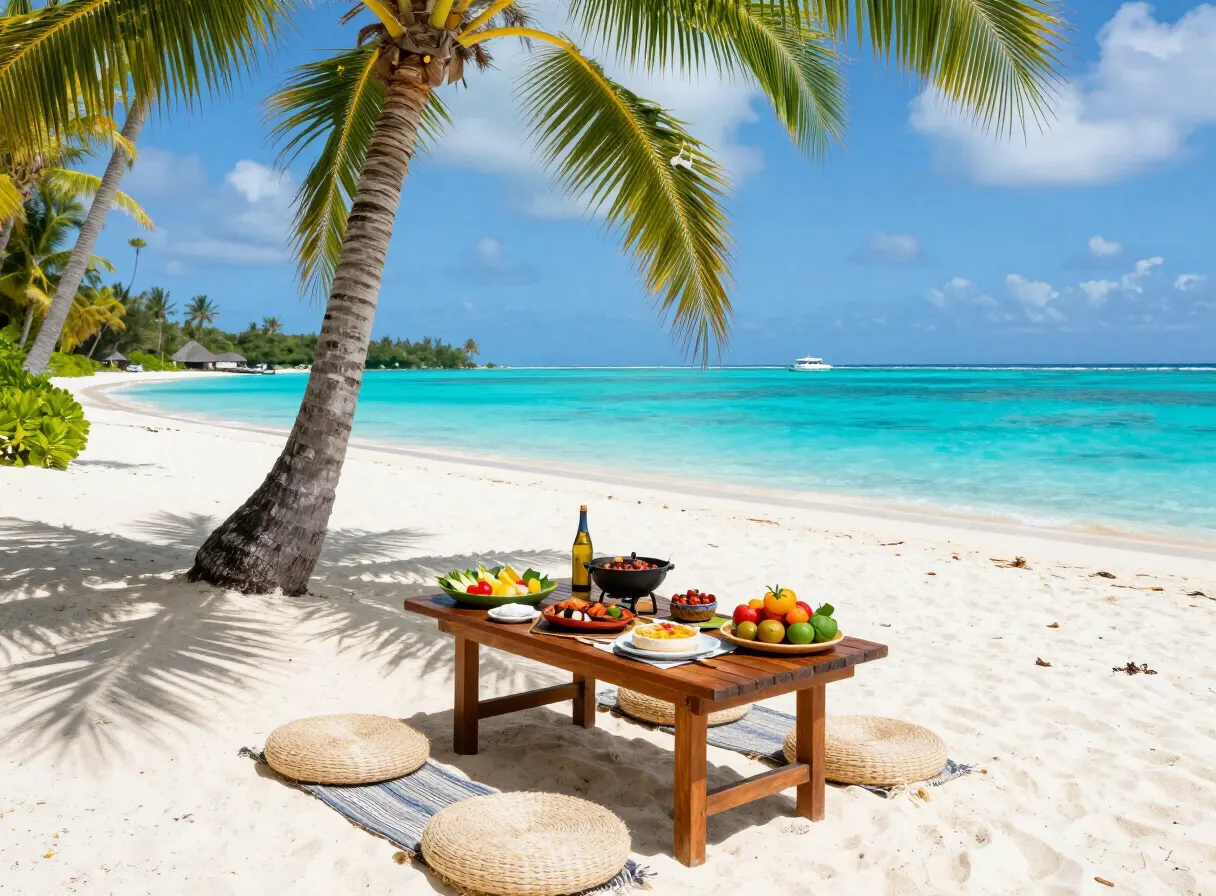
A motu is a small islet on the barrier reef, and Bora Bora is ringed by them. Their lagoon-side beaches are the ones in the travel posters: white sand, palms, and Mount Otemanu across the water. They are not public, though. Each motu belongs to a resort, a guesthouse or a private owner, and Tahiti Tourisme notes that hotel beaches are reserved for the hotel's guests.
- Stay on one. The Four Seasons, St. Regis, Conrad (on Motu To'opua), Westin and Le Bora Bora by Pearl all have their own beaches.
- Take a motu picnic tour. Many lagoon tours end with a barbecue lunch on a private motu used by the operator. This is the easiest way for non-guests to spend time on a motu beach.
- Ask about day passes. Some resorts occasionally sell day passes, but we found no resort that publishes one, and policies change. Email the concierge before you count on it.
Motu Tapu, the tiny islet just outside Teavanui Pass that once belonged to Bora Bora's royal family and was filmed in the 1931 film Tabu, is private and not open to the public.
Myth 1: "Pink sand beaches in Bora Bora"
There are none. Bora Bora's beaches are white coral sand. The pink-sand beaches of French Polynesia are in the Tuamotu atolls: Tikehau (nicknamed "the island of pink sand"), the Sables Roses ("pink sands") at Rangiroa, which are a boat trip of an hour or more from the main village, and the southern pass of Fakarava. The colour comes from crushed shells of tiny pink organisms called foraminifera. You can combine one of these atolls with Bora Bora using Air Tahiti's domestic flights.
If the photo you saw was of a long pink beach with Atlantic surf, it was probably Pink Sands Beach on Harbour Island in the Bahamas, coloured the same way.
Myth 2: "Bora Bora pig beach"
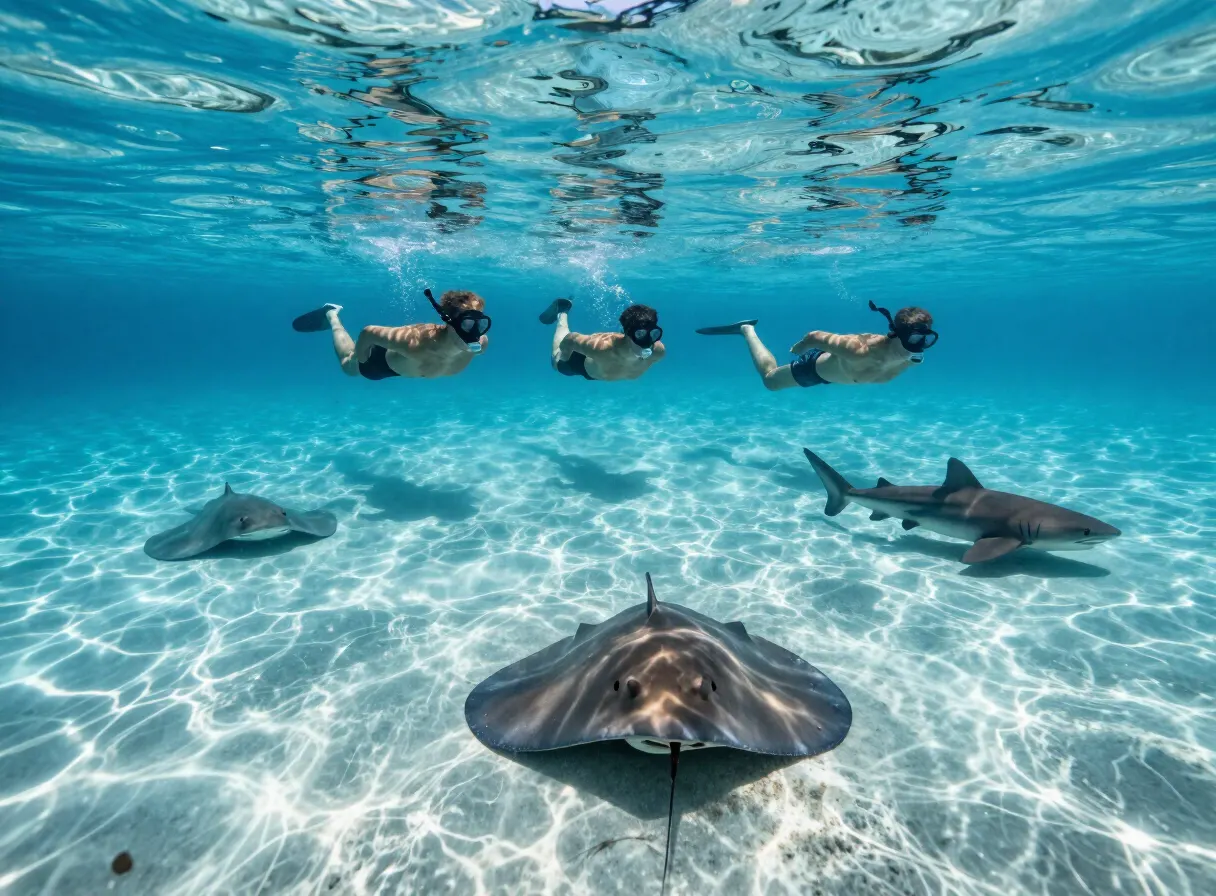
Bora Bora has no swimming pigs. "Pig Beach" is Big Major Cay in the Exumas, Bahamas, an uninhabited island reachable only by boat, where pigs swim out to visitors. Day tours from Nassau also sell pig-beach stops. The mix-up seems to come from two famous "dream beach" destinations being confused in search results. On Bora Bora, the animals you'll swim with are reef fish, pink whiprays and blacktip reef sharks, on a snorkel tour.
Beach safety and local rules
- No lifeguards. Beaches in French Polynesia are generally not supervised, and tide changes can create currents near passes and reef edges.
- Wear reef shoes. Coral cuts heal slowly in the tropics, and stonefish hide on rocky or coral bottoms.
- Take the sun seriously. Wear a rash guard and hat, and use reef-friendly sunscreen to protect the coral.
- Don't feed fish, rays or sharks. Attracting marine life with food is illegal in French Polynesia, and the authorities warned again in August 2025 that it is dangerous.
- Leave coral and shells where they are. All corals are protected and may not be taken or exported without a permit, and several shells and giant clams are protected too.
- Watch your belongings. Petty theft happens. Don't leave bags unattended, and avoid isolated beaches after dark.
- Drones: flying over beaches in built-up areas is prohibited, and flights near the airport need advance approval. Check the rules of French Polynesia's civil aviation service (SEAC) before you fly.
- Dress code: topless sunbathing is a matter for each resort, so ask first. Public nudity isn't acceptable.
When to go
Matira is beautiful all year. The dry season (May to October) brings the most sunshine, while December and January are the wettest months (see our month-by-month weather guide). The sea stays around 27 to 29°C year-round. Tides are slight in the Society Islands, so the beach looks much the same at high and low water. On days when cruise ships are anchored off Vaitape, come early, because Matira is the obvious beach for cruise passengers.
Frequently asked questions
Does Bora Bora have public beaches?
Yes, one main one: Matira Beach on the southern tip of the main island is the island's public beach and is free to use. Resort beaches on the motu are for guests.
Is Matira Beach free?
Yes. There is no entry fee, and parking along the road is free. Facilities are minimal, so bring water and shade.
Is there a pink sand beach in Bora Bora?
No. Bora Bora's beaches are white coral sand. French Polynesia's pink-sand beaches are in the Tuamotu atolls, such as Tikehau, Rangiroa and Fakarava.
Are there swimming pigs in Bora Bora?
No. The swimming pigs of "Pig Beach" are on Big Major Cay in the Exumas, in the Bahamas.
Can non-guests use resort beaches?
Resort beaches are reserved for guests. Some resorts occasionally sell day passes, so ask the concierge. The easiest way to enjoy a motu beach is a lagoon tour with a motu picnic.
Is Matira Beach good for snorkeling?
It is mostly sandy in front of the main beach. The better snorkeling is at the ends of the beach and around the point. For coral gardens and rays, take a guided lagoon tour.
Sources
- Tahiti Tourisme: Plage de Matira (natural heritage) and "The beaches of Bora Bora": tahititourisme.com
- Air Tahiti Nui: "Most beautiful beaches in Bora Bora": airtahitinui.com
- Lonely Planet: Matira Beach; getting around Bora Bora
- Outremers360 / Assembly of French Polynesia: creation of the Popora Rāhui reserve (Nov to Dec 2025)
- Service du Tourisme de Polynésie française: notice on feeding marine life (29 Aug 2025): service-public.pf
- Direction de l'environnement: guide to protected species (2025)
- Tahiti Tourisme: "The best pink sand beaches in the islands of Tahiti"
- The Islands of The Bahamas (bahamas.com): Harbour Island Pink Sands Beach; official home of the swimming pigs
- Government of Canada and UK FCDO travel advice for French Polynesia; SEAC (drone rules)
- Météo-France 1991 to 2020 climate normals, Bora Bora airport