- Learn a few words of Tahitian — "ia ora na" (hello) goes a long way.
- Try local dishes like poisson cru (raw fish in coconut milk).
- Support local guides, markets and artisans in Vaitape.
Last verified: October 2026
Cultural activities
Traditional canoe paddling, cultural tours and local experiences.
Activity
Island Culture & Marae Tour
Explore Bora Bora's ancient marae (stone temple platforms) and island legends with a local guide, often as part of a 4x4 or lagoon tour.
Varies by tour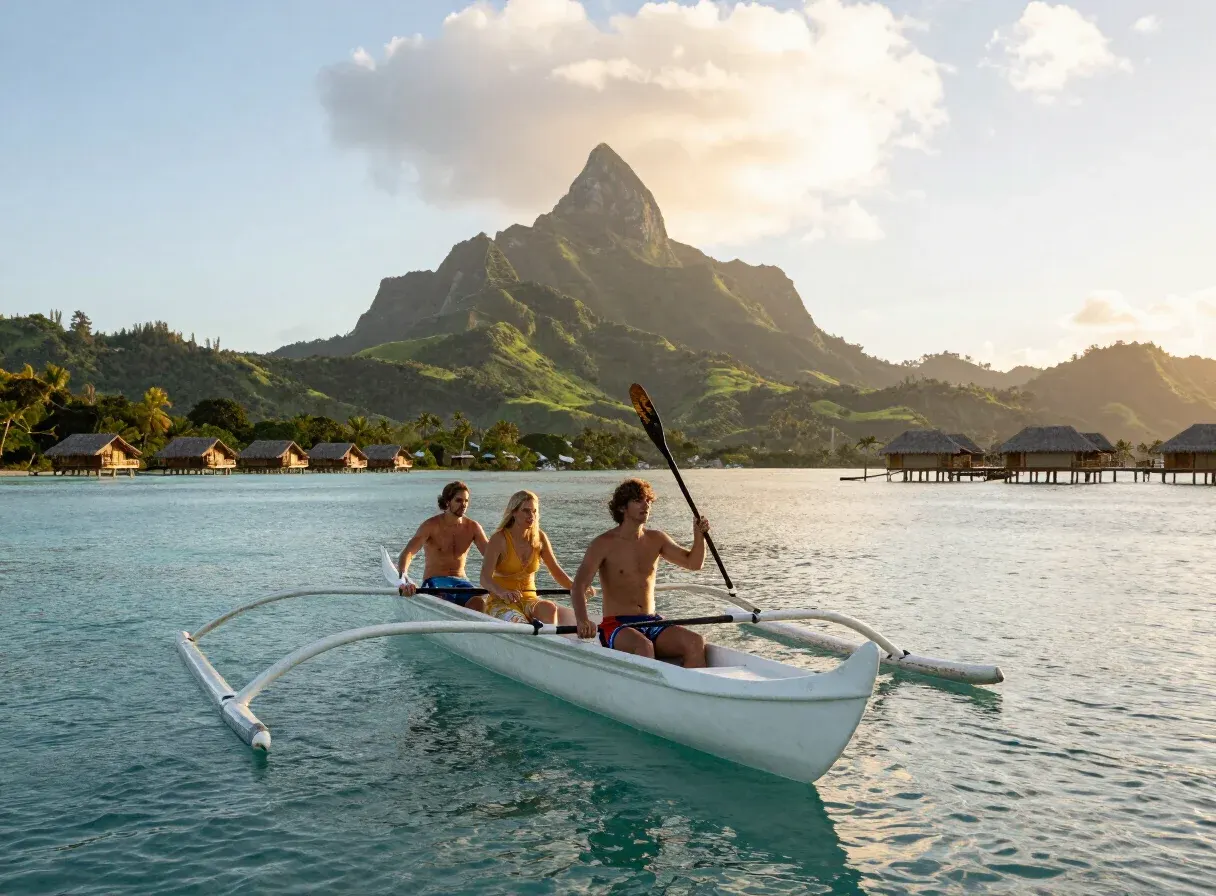
Activity
Private Outrigger Canoe (Va'a) Excursion
Paddle a traditional Polynesian outrigger canoe with a local guide while learning Tahitian navigation history.
Varies by guide and group size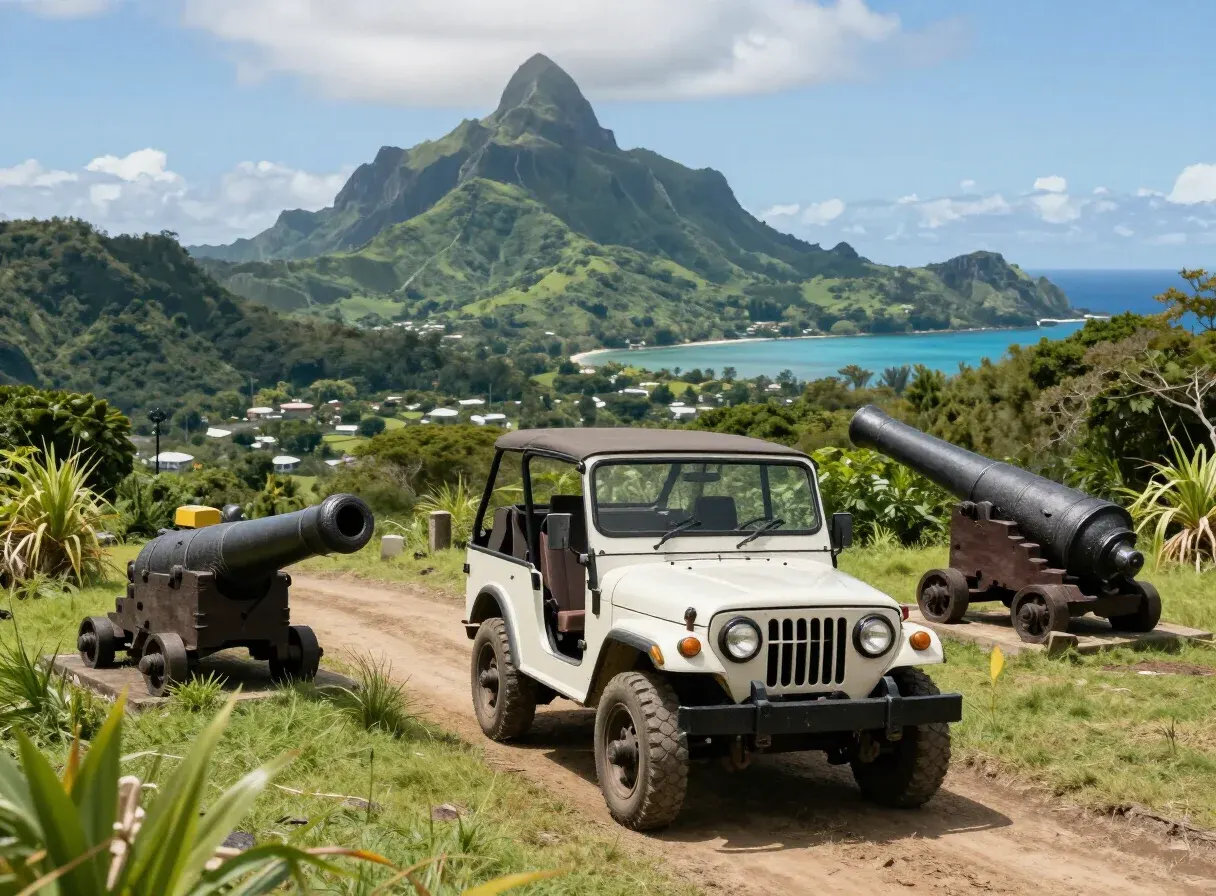
Activity
4x4 Mountain Safari
Off-road through the lush interior to WWII cannons and panoramic lagoon viewpoints.
From ~$90 per person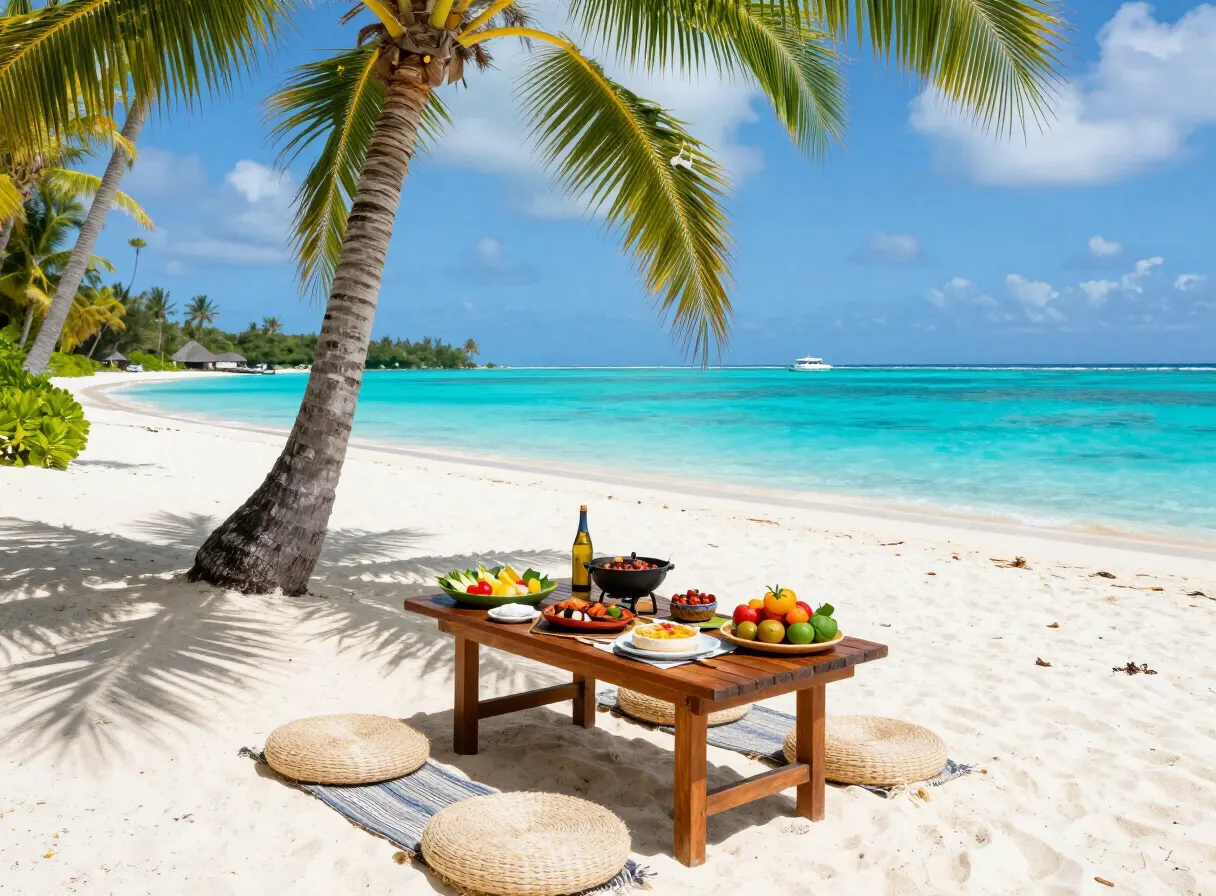
Activity
Motu Picnic & BBQ Island Excursion
Boat out to a private motu for snorkeling, a beachside barbecue lunch, and relaxed island time.
$140–190/person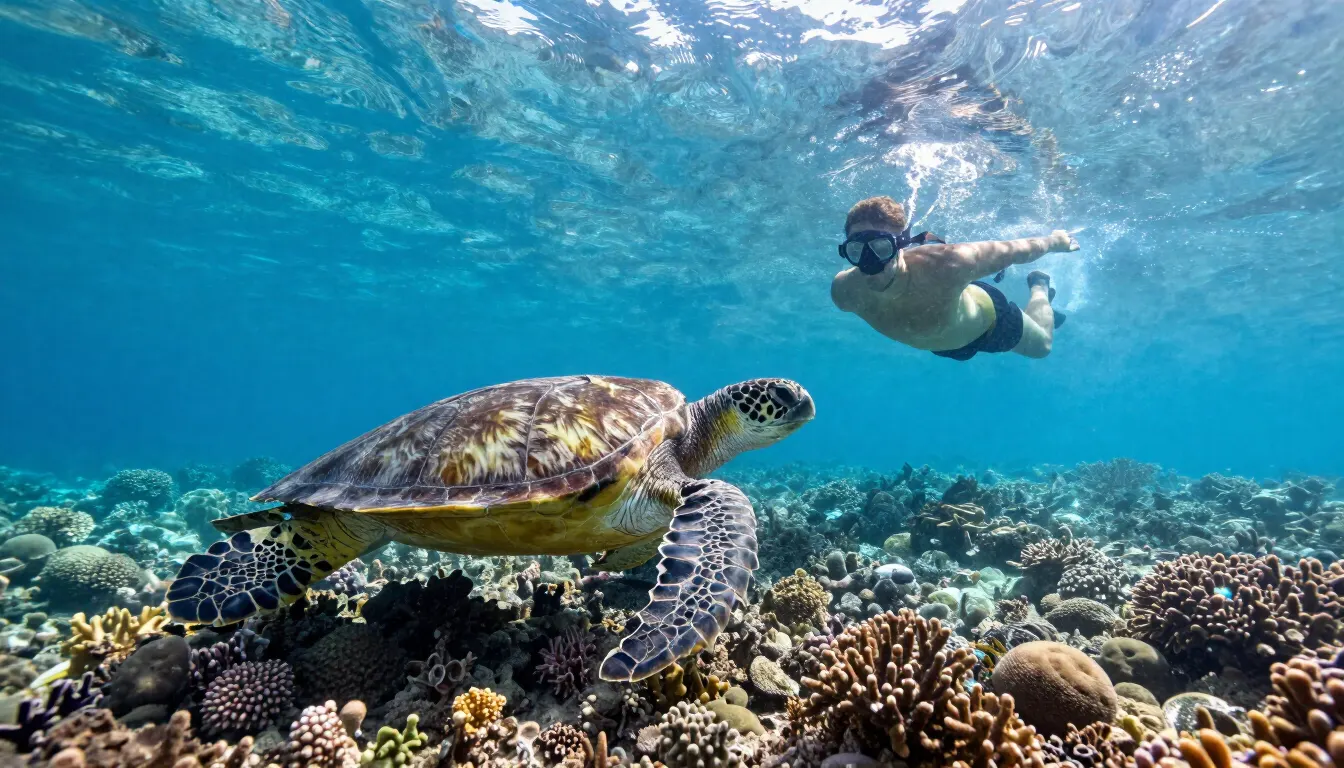
Activity
Turtle Eco Center Visit
A guided visit to The Westin's Eco Center, where injured sea turtles are cared for before release; ask the resort about access.
Ask the resortTaste local flavours
Restaurants serving Polynesian and local cuisine.
Restaurant
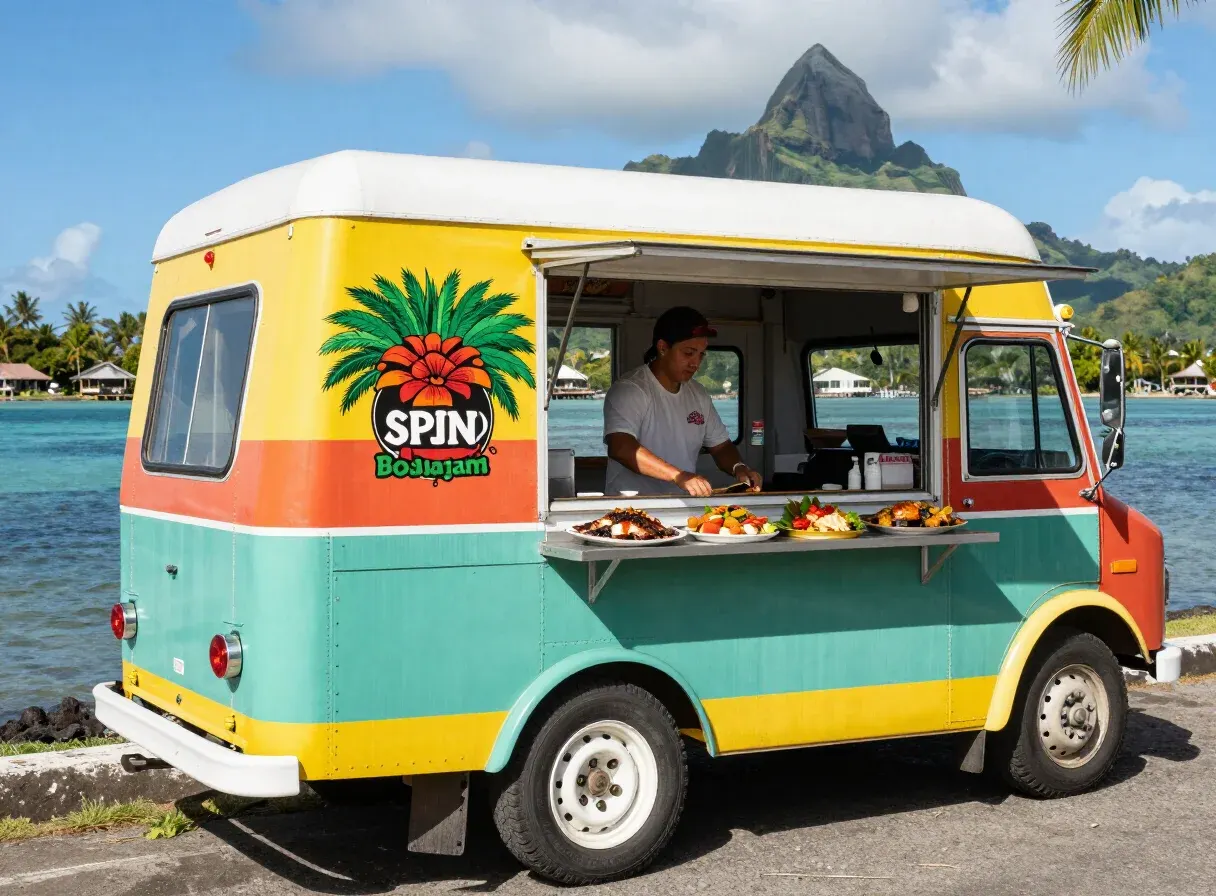
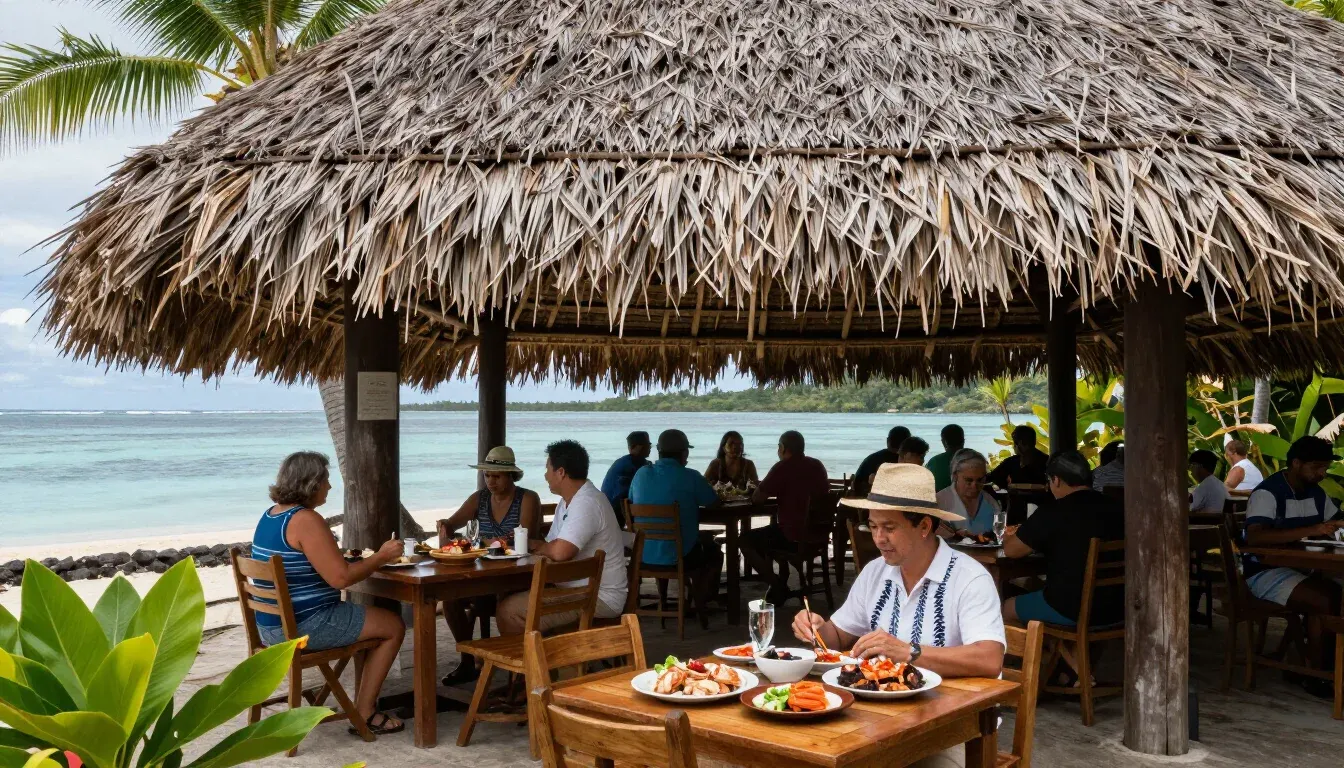
Vaitape Roulottes
Affordable food trucks serving grilled fish, steak frites, and crepes.
$
Restaurant
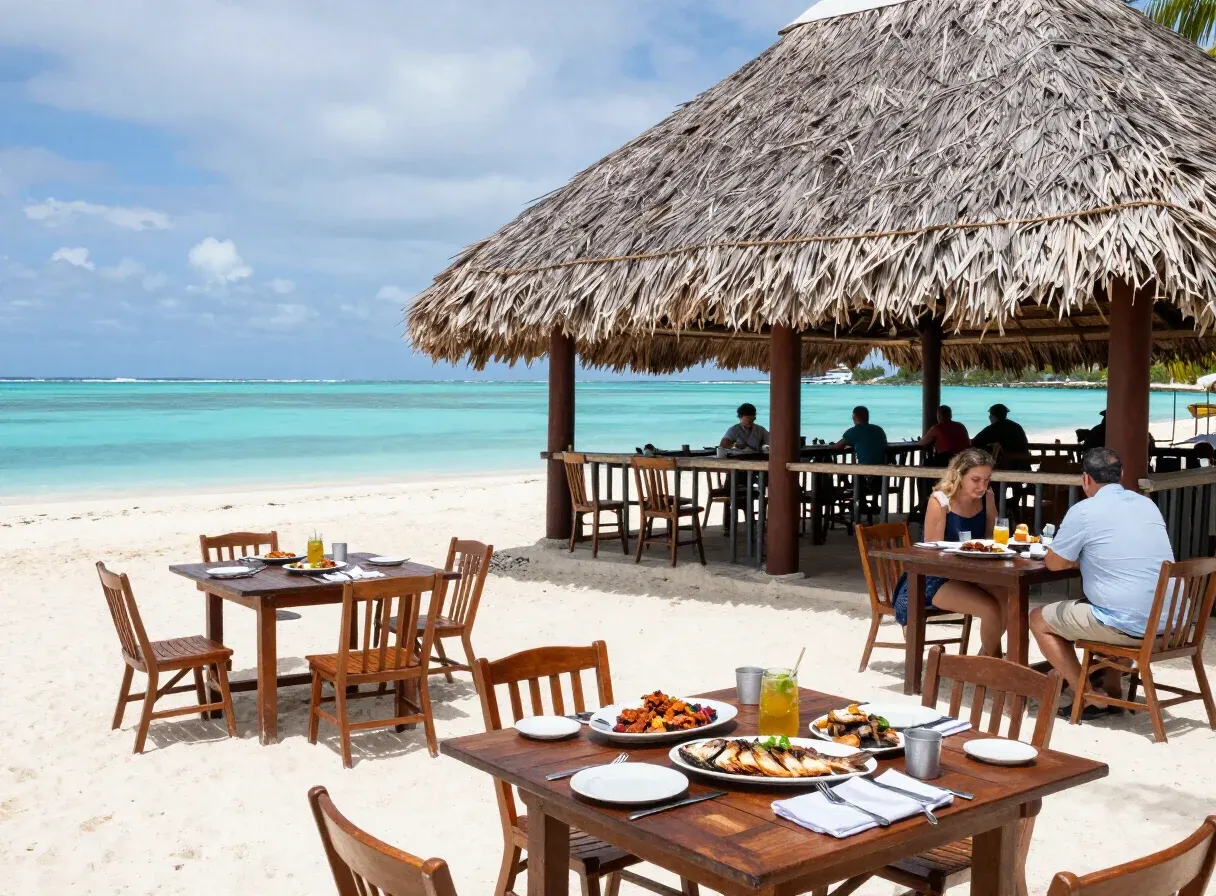
Snack Matira
A no-frills beach snack bar for lunch (roughly 10am–4pm) serving grilled fish, burgers and poisson cru steps from the sand.
$
Restaurant
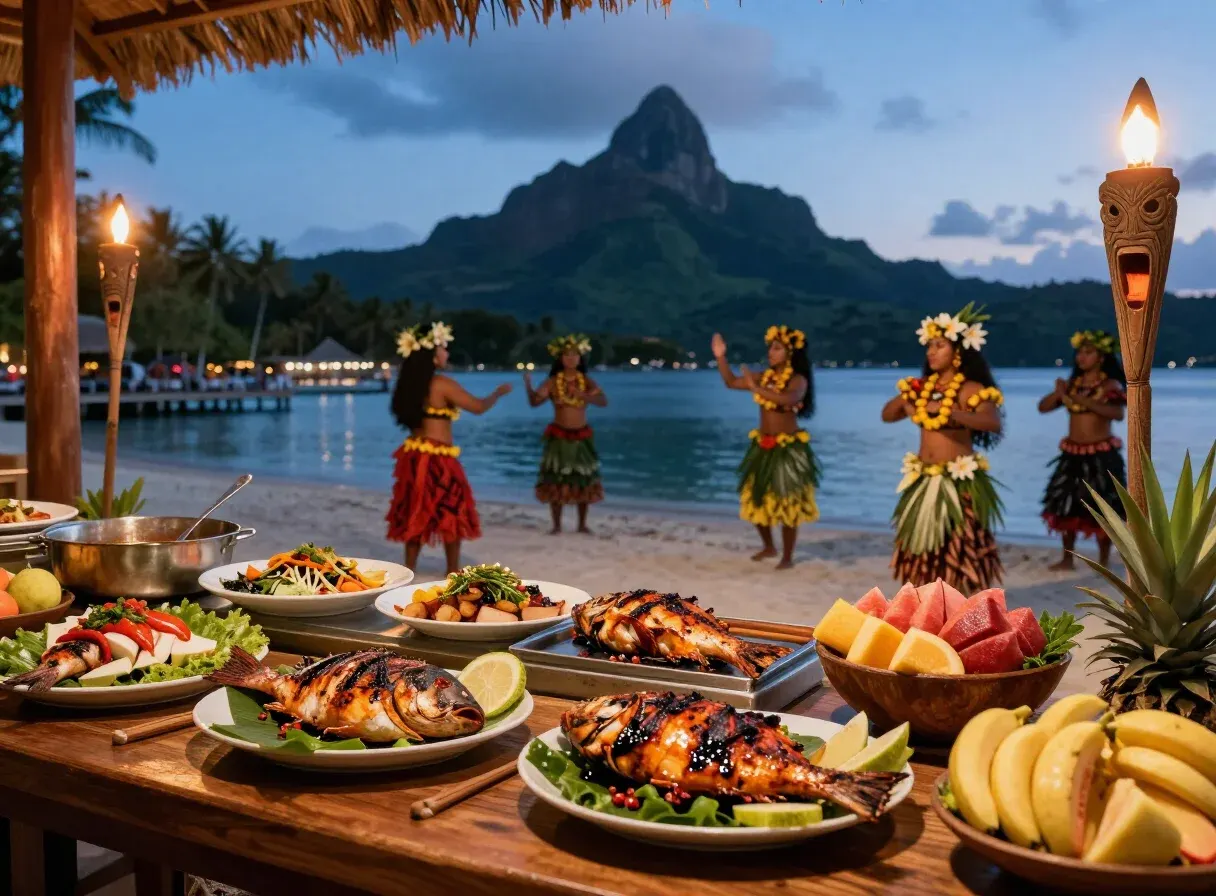
Tama'a Maitai
Maitai Polynesia's lagoon-edge restaurant near Matira, serving Polynesian dishes and seafood; ask about the hotel's weekly Polynesian evening.
$$
Restaurant
Fare Manuia
A casual spot near Matira for pizza, seafood and cocktails, open for lunch and dinner.
$$Travel respectfully
Bora Bora culture and history in brief
The island's Tahitian name is Porapora, usually translated as "first born." Polynesian voyagers settled here around the 3rd century CE, and for centuries Bora Bora was ruled by its own chiefs. Dutch explorer Jacob Roggeveen sighted it in 1722 and James Cook in 1769.
Missionaries from the London Missionary Society arrived in 1820, and the settlement they founded grew into Vaitape, today the main village. Bora Bora remained a kingdom until France annexed it in 1888, when its last queen, Teriimaevarua III, was forced to abdicate. During World War II the United States built a supply base here with nearly 7,000 troops; the coastal guns they left behind are still a stop on island tours.
Marae: the ancient temple sites of Bora Bora
A marae is an open-air stone platform where Polynesians once held religious ceremonies, chiefly rituals and community gatherings. The island had more than forty; remains of about thirteen survive. Several sit right beside the coast road:
- Marae Marotetini – near the wharf in Faanui Bay on the west coast; about 50 m (164 ft) long and restored.
- Marae Fare Opu – just north of Faanui, partly under the road; often described as the best preserved. Look for turtle petroglyphs; the turtle was a sacred animal.
- Marae Aehautai – on the southeast coast, not far from Paoaoa Point.
- Marae Taharuu – at Point Haamaire on the east coast.
Treat marae as sacred sites: don't climb on the stones or move them. A guide adds the legends, and many culture and marae tours combine these stops with the WWII cannons.
Heiva i Bora Bora and other festivals
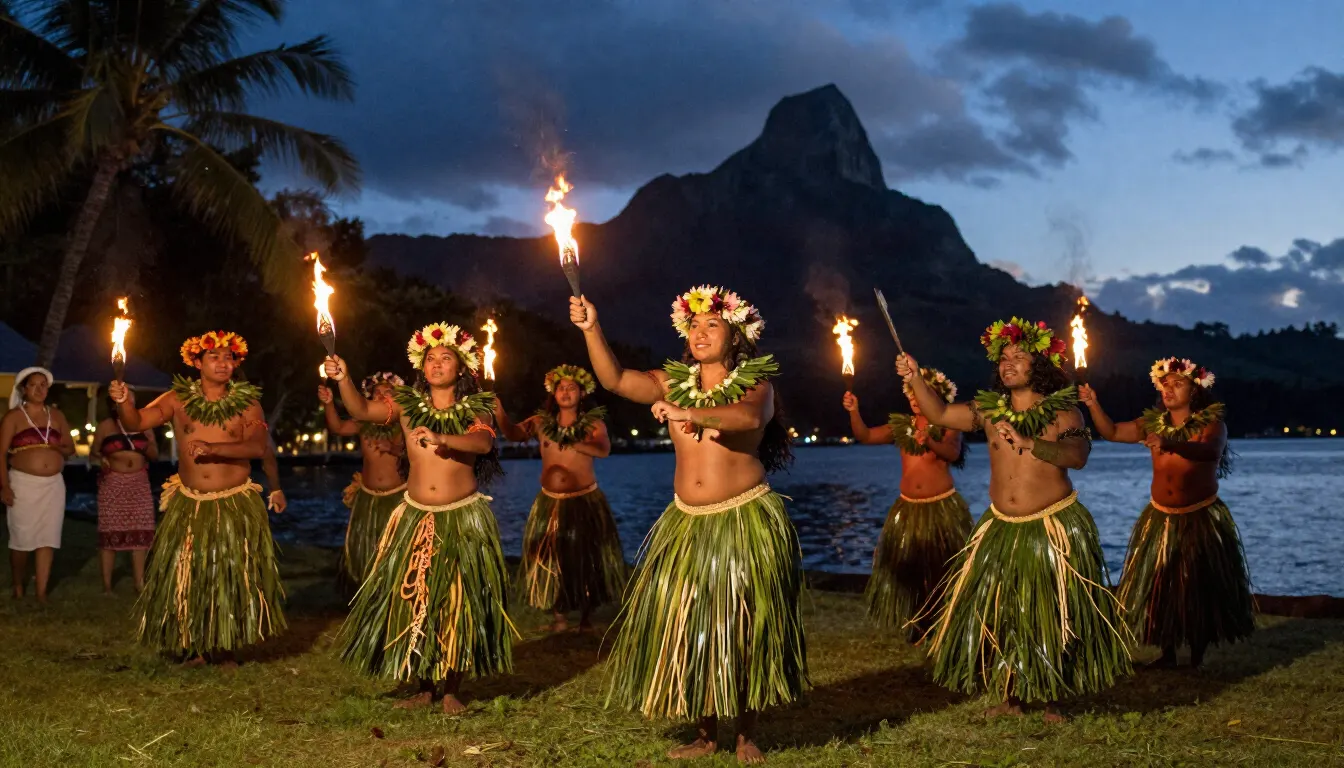
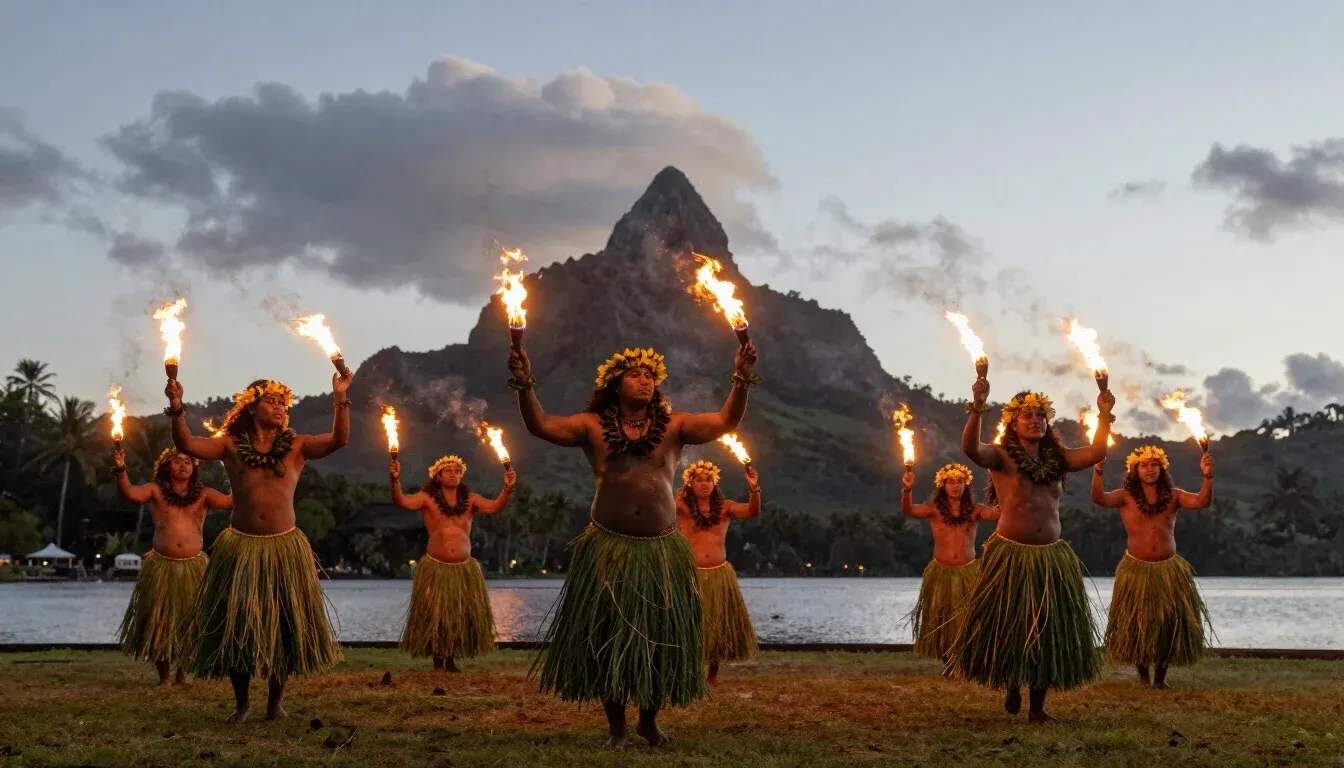
The Heiva is French Polynesia's biggest cultural celebration, with competitions in traditional dance, singing and sport. Bora Bora holds its own Heiva in Vaitape on Place Tu Vavau, around the same time as Papeete's. In 2026 the evening shows ran from 26 June to 13 July. If you are traveling in early July, ask your hotel about tickets and boat transfers; see our best time to visit guide for the season.
In late October the Hawaiki Nui Va'a outrigger canoe race finishes on Matira Beach after three days of racing from Huahine via Raiatea and Taha'a. The 2026 edition runs 28–30 October.
Tattoo tradition: Polynesian tatau
The English word "tattoo" comes from the Polynesian tatau, brought back by Captain Cook's voyages. Designs were traditionally tapped into the skin with a bone comb dipped in soot from burned candlenuts, and they recorded family, rank and the passage to adulthood. Missionaries banned the practice on most islands, but it never fully disappeared and is now widely revived. Some resorts arrange sessions with local artists; choose a licensed studio and take your time choosing a design with meaning.
Tahitian words, tiare flowers and local crafts
- 'Ia ora na – hello
- Māuruuru – thank you
- Maita'i – good
- Manuia – cheers
You will often be greeted with a tiare, the fragrant national flower. Worn behind the right ear it signals you are available; behind the left, that you are taken. Tiare petals soaked in coconut oil make monoi, the local skin and hair oil.
In Vaitape, small craft stalls and shops sell pareos (the printed wrap worn by men and women), shell jewelry, wood carvings and Tahitian black pearls. Buying directly from artisans keeps your money on the island.
Frequently asked questions
Bora Bora is part of French Polynesia with a rich Tahitian heritage — traditional dance, outrigger canoeing, music, crafts and a cuisine blending French and Polynesian influences.
Poisson cru — fresh raw fish marinated in lime and coconut milk — is the signature dish, alongside fresh seafood, tropical fruit and French-Polynesian fusion cooking.
French is the only official language, and Tahitian (Reo Tahiti) is widely spoken and officially recognised. English is widely spoken in resorts and tourism businesses.
Vaitape, the main village, has small local shops, markets and roulotte food trucks where you can sample Polynesian cuisine and buy local crafts.
Still planning your Bora Bora trip?
Browse the full library of resorts, activities, dining and flight guides, or estimate your costs with the trip calculator.