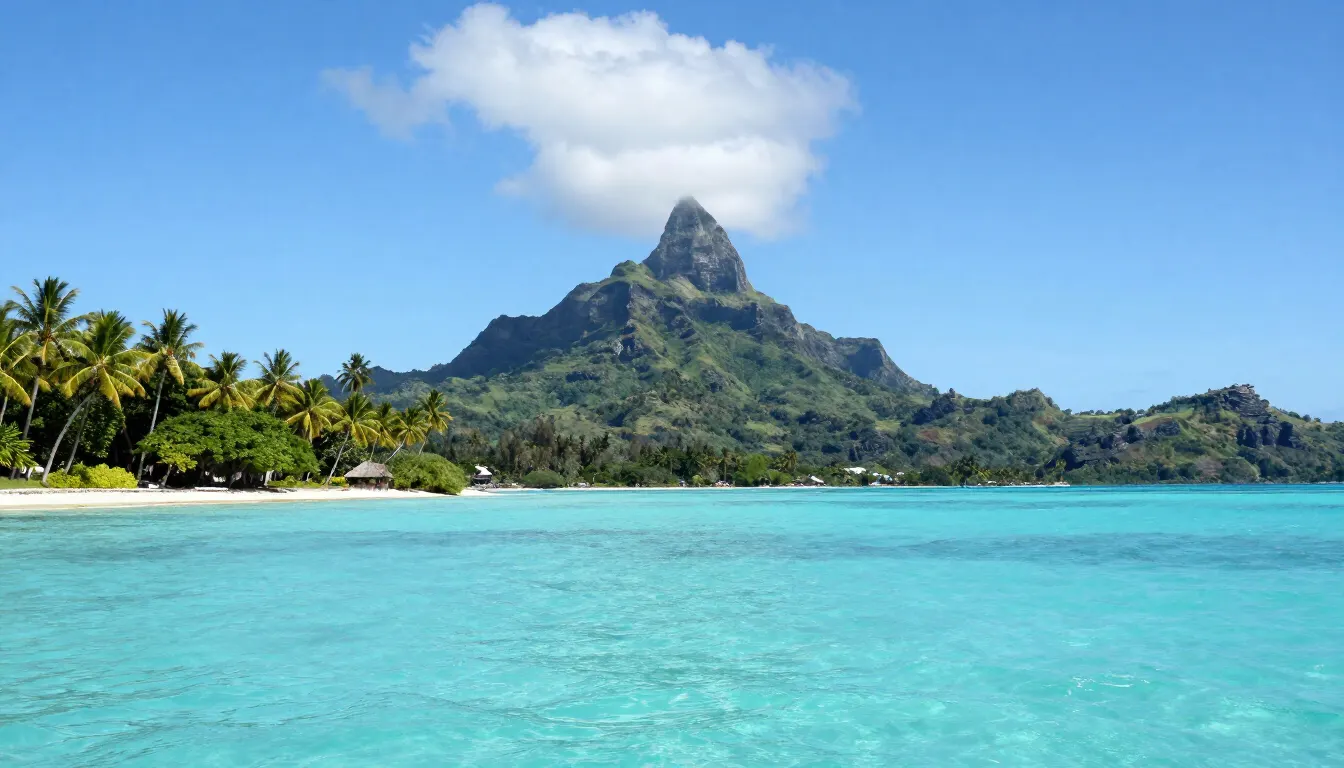
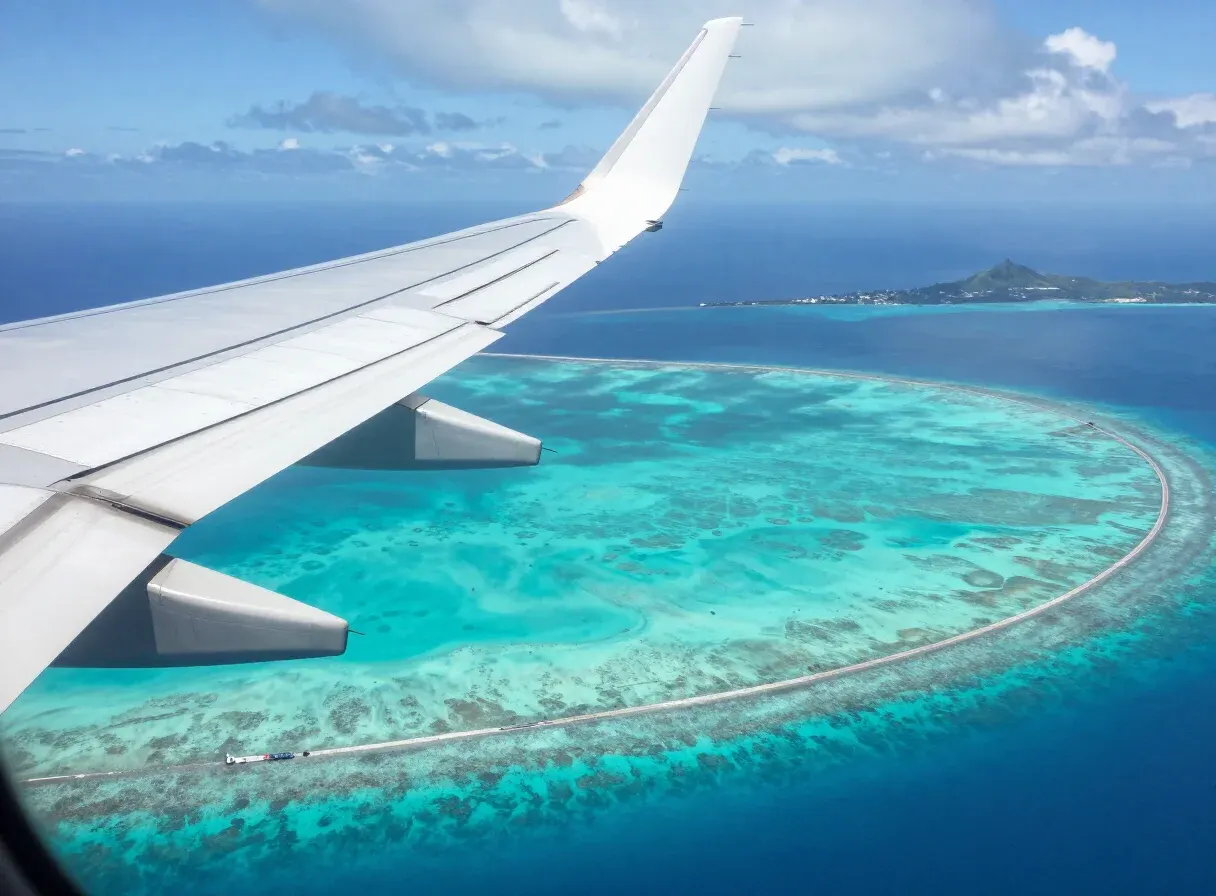
A month-by-month breakdown of Bora Bora weather, water clarity, prices, and crowds to help you pick the ideal travel dates.
Bora Bora enjoys warm tropical weather year-round, but the experience changes noticeably between the dry and wet seasons. Choosing the right month can mean the difference between glassy calm lagoon days and short but intense rain showers.
Dry season (May–October)
This is peak season for good reason. Days are mostly sunny, humidity is comfortable, and the lagoon is at its clearest for snorkeling and diving. July and August are the busiest and priciest months, and July brings the Heiva festival of dance, song and canoe racing. Book six to nine months ahead for these dates.
Wet season (November–April)
Warmer and more humid, the wet season brings lush green mountainsides and dramatic skies. Many showers are short, but December and January are the wettest months, with rain on about half the days, and November to April is also cyclone season. This is the best window for lower resort rates and thinner crowds.
Sweet-spot months
May and October offer the best of both worlds: mostly dry weather, excellent visibility and softer pricing than the June–September high season.
When is the best time to go to Bora Bora? The short answer
For the driest weather, go from June to September. For a balance of good weather, lower prices and fewer people, go in May or October. For the lowest rates and you don't mind showers, go between November and April, keeping in mind that December and January are the wettest months and this is also cyclone season. Bora Bora is warm in every month, with average highs between about 29°C and 31°C (84–89°F), so the real trade-off is rain against price and crowds.
Bora Bora weather month by month
These are long-term averages measured at Bora Bora airport by Météo-France (1991–2020). "Rain days" counts days with at least 1 mm of rain, so many of them include only a passing shower.
| Month | Avg high / low (°F) | Rainfall | Rain days |
|---|
| January | 88 / 78 | 9.6 in (245 mm) | 17 |
| February | 88 / 78 | 8.3 in (212 mm) | 15 |
| March | 89 / 78 | 6.6 in (168 mm) | 15 |
| April | 88 / 78 | 5.7 in (144 mm) | 12 |
| May | 86 / 77 | 4.4 in (112 mm) | 11 |
| June | 85 / 76 | 3.4 in (86 mm) | 10 |
| July | 84 / 75 | 2.4 in (62 mm) | 9 |
| August | 84 / 75 | 2.5 in (64 mm) | 9 |
| September | 85 / 75 | 2.5 in (65 mm) | 9 |
| October | 86 / 76 | 4.3 in (109 mm) | 11 |
| November | 87 / 77 | 5.5 in (139 mm) | 12 |
| December | 87 / 77 | 9.9 in (251 mm) | 17 |
The sea stays warm all year: around 27°C (81°F) from July to October and 28–29°C (82–84°F) from November to May.
Month-by-month highlights
- January–March: The hottest, most humid stretch and the heart of the wet season. Expect heavy showers and generally lower room rates.
- April–May: Rain tapers off month by month. May is one of the two sweet-spot months, before the high-season rush.
- June: High season begins, with drier air and slightly cooler nights.
- July: The driest month on average and the busiest, with Heiva celebrations of dance, song and canoe racing. Humpback whales begin arriving in French Polynesia.
- August–September: Still dry and busy. Whale season peaks from August to October, and licensed operators run whale-watching trips.
- October: Shoulder-season pricing, whales still around, and the Hawaiki Nui Va'a outrigger canoe race. Its 2026 edition runs 28–30 October from Huahine via Raiatea and Taha'a, finishing at Matira Beach.
- November–December: Wet season returns. December is the wettest month on long-term averages, with January close behind.
Best time to go to Bora Bora for your trip type
- Honeymoons: May or October. See the honeymoon planning guide for budgets and sample plans.
- Snorkeling and diving: June to September, when the lagoon is usually at its clearest.
- Tight budgets: January to March, with flexible plans in case of a stormy day or two. Price your dates with the trip cost calculator.
More questions
What is the worst time to go to Bora Bora?
There is no truly bad month, but December and January bring the most rain, averaging about 17 rain days each, and fall within cyclone season (November to April). If you travel then, book refundable rates and consider travel insurance that covers weather delays.